On this page
It is, sometimes.
It’s also quite a lot of people asking you why something didn’t go viral.
There’s a funny gap between what people think working in social media involves and what the job actually asks of you.
From the outside, it looks like making videos, writing captions and spending a suspicious amount of time on your phone.
Which, to be fair, does happen.
But being able to see the work doesn’t mean you can see everything that went into it.
You see a 15-second video. You don’t see the decision to make that video instead of the other ten ideas. The conversation about whether the joke would land. The edits. The approvals. The explanation of why putting the logo in the first three seconds might make everyone scroll past.
Then it goes live, and someone asks if we can do another one. But better.
The job has moved. Has the perception?
“Can you put this on social?” sounds like a small request.
Sometimes it is. Sometimes it’s the beginning of a whole new project.
Who’s it for? Why would they care? Where should it go? Does it work as a video? Who’s filming it? Can we use that footage? What happens when someone asks a question we haven’t thought about?
And what are we actually hoping it does?
A good social person is working through those questions before most people have opened the camera.
They’re also keeping up with platforms, formats, tools and audience habits that don’t politely wait until the next planning session to change.
There’s AI to work out. New ways to distribute. Different expectations on every platform. An endless supply of advice from people who have apparently cracked the algorithm.
You have to keep learning while still delivering the work you already promised.
Being interested in the internet helps. Having the judgement to work out which bits matter is where the skill comes in.
Funny is a skill, too
I think part of the problem is that we confuse serious work with work that looks serious.
A spreadsheet looks like work.
A funny TikTok looks like someone having a nice afternoon.
But making something funny, relevant and recognisably your brand is difficult. So is making something useful enough that a stranger saves it. Or understanding a community well enough to know when to join a conversation and when to leave it alone.
When someone makes that look easy, it’s tempting to assume it was.
The really good people in social have a feel for people. They notice things. They understand the difference between a trend their audience loves and a trend other marketers keep talking about.
They can explain how an idea serves the business. They can also tell you when the business is asking for something nobody wants to watch.
That last one takes a bit of nerve.
Especially when the person asking signs off your budget.
You can see why people get tired
Imagine being hired for your understanding of the audience, then spending half your week trying to convince people to trust it.
You’re asked to be creative, but the interesting parts keep getting edited out.
You’re asked to move quickly, but approvals take four days.
You’re asked to build a community, but only given time to publish.
Eventually, “bring us something fresh” starts to feel like a fairly loaded request.
There’s also something tiring about having your work judged so publicly. You can put real thought into something and watch it land quietly. Then a video you nearly didn’t post takes off, and suddenly everyone wants you to explain how to do that every Tuesday.
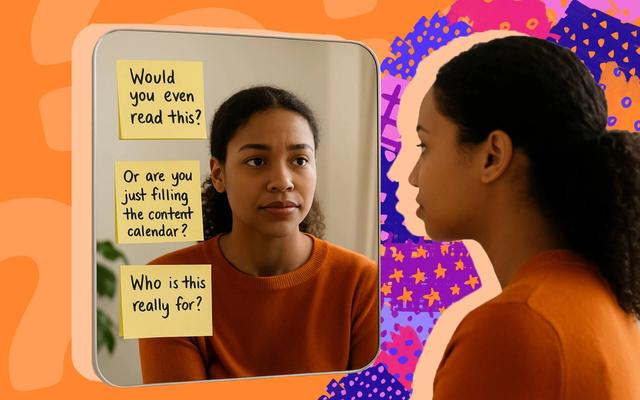
You start second-guessing yourself. You make the safer thing. You get through the calendar.
That’s a frustrating place to end up when you got into the work because you liked making things and connecting with people.
There’s a bigger opportunity here
The skills you develop in social reach well beyond a content calendar.
Understanding what gets someone’s attention. Turning a complicated idea into something people care about. Spotting a story. Building trust over time. Knowing how to respond when the conversation changes.
Those skills can shape campaigns, partnerships, events, shows and products. They can help a business understand its customers better.
But people need room to use them.
Bring your social person into the conversation while there’s still something to influence. Ask what they’re hearing from the audience. Give them a clear goal and enough trust to make decisions.
And when something works, recognise the judgement behind it. “You’re so good at Instagram” probably doesn’t quite cover it.
If you work in social, I hope you still get to enjoy it. I hope you get to make the weird idea, have a laugh and feel pleased when something connects.
You shouldn’t have to make the job look miserable to prove it takes skill.
It can be fun. And you can still be very good at it.