If you've spent any time working in social media, you'll know the platforms change fast, audience behaviour changes even faster, and the pressure to keep up never really switches off.
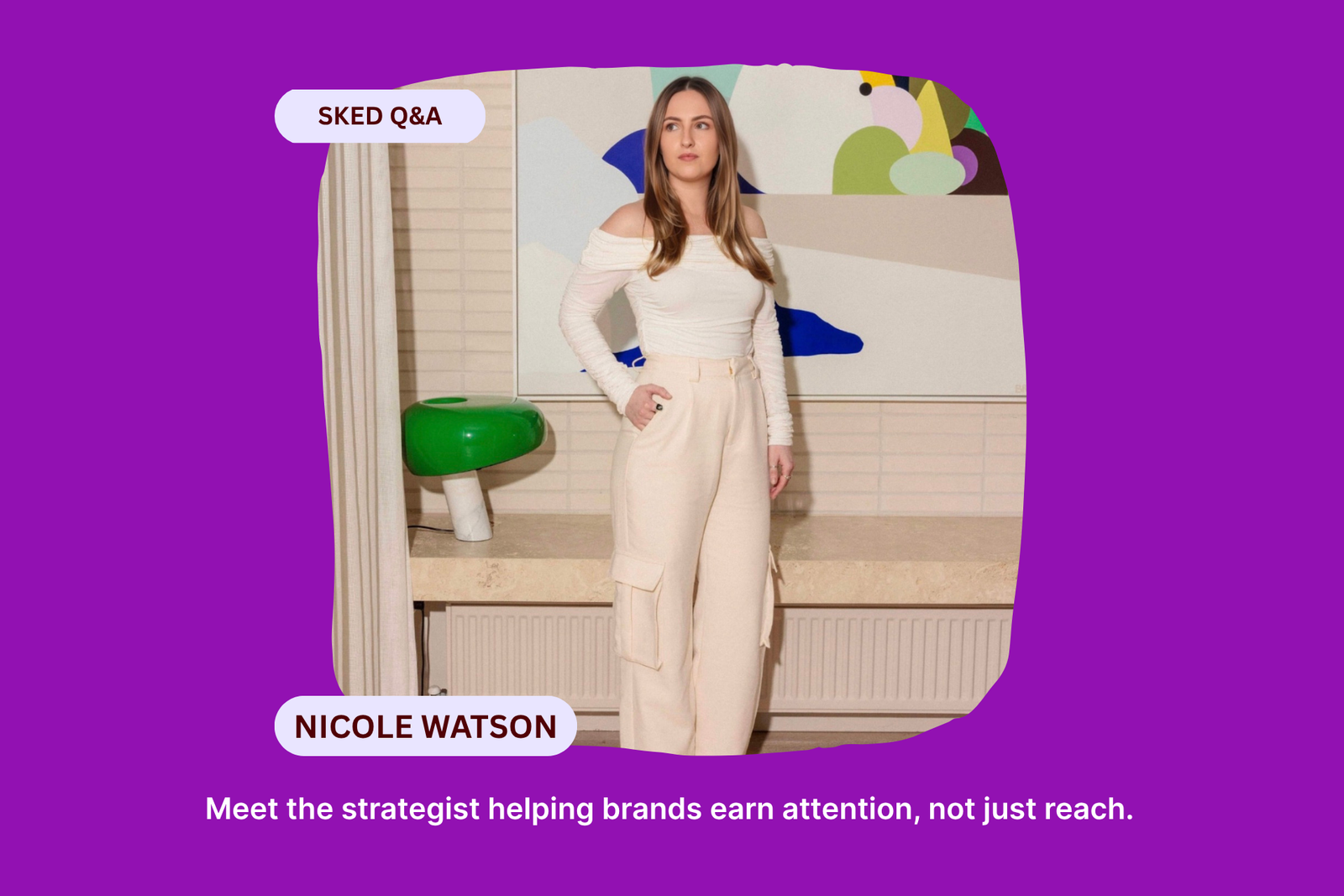
This week's Q&A is with Nicole Watson, a Fractional Social Media + Partnerships Lead who has worked across brand, creator and partnership-led campaigns. Her approach is simple: create content people actually want to engage with, not content that feels like an ad.
In this conversation, Nicole shares why participation is becoming more important than reach, how creator partnerships continue to outperform traditional brand content, the metrics she pays closest attention to, and the social media myth she wishes she'd stopped believing much earlier.
There's also a refreshing take on burnout, collaboration, and why the best brands are learning to loosen the grip and trust content that feels a little more human.
1. What’s one social strategy you’ve doubled down on this year that’s actually moved the needle?
One strategy I’ve doubled down on this year is building social around in-person moments and participation, not just content output.
For one client, that meant capturing creator-led and UGC-style content that felt authentic, community-driven and native to the platform - focusing on real experiences people wanted to share and engage with.That shift drove stronger organic reach, higher engagement, shares, saves and overall brand sentiment.
2. Walk us through your best performing post. What was the idea, why did it work, and how did you know it hit?
One of the best performing campaigns I worked on was an Always Fresh Christmas collaboration with creator Sophie Fisher from coconutandbliss, centred around festive recipe content using Always Fresh olives.The idea was to create content that felt native to the creator’s audience and genuinely useful during the Christmas entertaining period. We leaned into warm, aspirational but achievable food content that people naturally wanted to save and share.Combined, the content reached 14.9K likes organically, with strong audience engagement and community interaction.
3. What’s a mistake you see brands making on socials right now that’s quietly killing reach or engagement?
A big mistake I still see brands making is creating content that looks and feels like advertising first, social content second.Audiences are so content-aware now - if something feels overly polished, overly branded or disconnected from platform behaviour, people scroll past it immediately.
I think a lot of brands are also focusing too heavily on output volume instead of creating content people actually want to participate in, share or save. Reach comes from relevance now, not just posting consistently.
4. What’s the metric you care about most and why?
Saves and shares are the best indication of a post’s performance. Comments and likes are great, but shares mean people want to show their friends how good it is, and saves mean the content was valuable enough to come back to later.
It’s like my own saved food folders on Instagram - recipes my partner and I genuinely go back to again and again.
5. What’s the best piece of advice you’ve ever been given about content or creativity?
For creators, probably: stop trying to be interesting to everyone and double down on a format your audience already loves. The best creators usually repeat and refine the same style over and over until it becomes recognisable as their thing.
For brands, it’s to loosen the grip a little. The more overly controlled and polished content becomes, the less social it feels - and audiences can tell immediately.
6. What’s the worst advice you followed for way too long?
Honestly, probably the idea that one person should be able to manage an entire brand’s social channel alone.I’ve worked in environments where I was planning and shooting content, editing, building monthly calendars, writing captions, reporting — everything — for upwards of 10 accounts at a time. I convinced myself that was just ‘how social worked’, but realistically it leads to burnout and eventually impacts the quality of the work too.The best social teams are collaborative, not siloed.
7. What book, album, podcast, or creator has quietly shaped how you think about your work?
Creator and podcaster Loui Burke - known as "your friend in home and hosting."Loui is really unapologetically himself online, and I’ve always respected how openly he talks about creators charging their worth and treating content creation like a real business.
The creator space is incredibly saturated now, and I think a lot of creators still undervalue the amount of strategy, consistency and work that goes into building an audience. He's shaped the way I think about creators as genuine creative and commercial partners - not just ‘influencers’ posting online.
8. What’s a habit or rule in your workflow that keeps you sane and consistent?
A to-do list, honestly.Social moves so quickly and there are constantly a million moving parts - content shoots, edits, approvals, reporting, creator comms, trend monitoring - so having everything written down and prioritised is probably the biggest thing that keeps me sane and consistent.
9. If you had to explain your content strategy to a non-marketer in one sentence, what would you say?
I’d say my content strategy is making brands memorable online - creating content people genuinely connect with, engage with and remember after they’ve scrolled past it.
10. What’s something about working in socials that doesn’t get talked about enough?
Probably how mentally ‘on’ you have to be all the time.Working in social means constantly consuming culture, trends, comments, creators and platform updates while also trying to stay creative and strategic under tight turnaround times. A lot of people see the fun side of social, but not always the level of mental load and speed behind it.