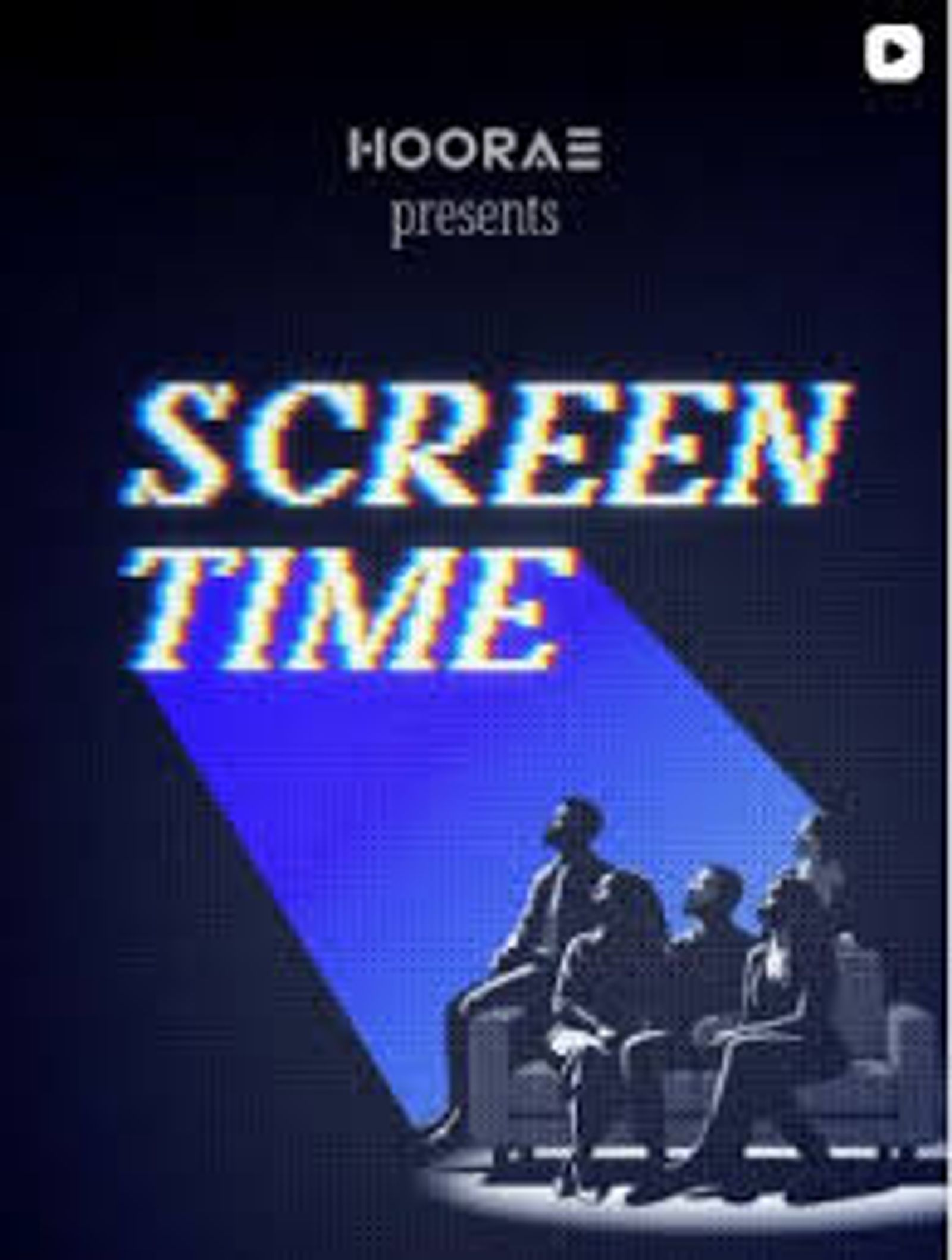
A few weeks ago, Issa Rae quietly dropped a one-minute-per-episode vertical thriller on TikTok called Screen Time. Twenty-seven episodes in the first act. A double date, a mysterious stranger hijacking a TV, and two couples forced to confess their secrets or get exposed. It hit nearly 75 million views in its first week. The top-liked comment on episode one right now reads: "Now who tf installed Netflix on my TikTok?"
I have been waiting to see who would crack this format, and I'm not surprised it's her.
Microdramas, if you have not been paying attention, are the next gold rush in entertainment. Born in China, exported through apps like ReelShort and DramaBox, they are short, serialized shows shot vertically for your phone. A single season can run 60 to 100 episodes, each clocking in at under two minutes, every one ending on a cliffhanger that demands the next swipe. Variety projects the global microdrama market will be worth $26 billion a year by 2030. TikTok launched its own dedicated microdrama app, PineDrama, in January.
Every studio is racing in because the math is changing. A microseries can be produced for $100,000 to $300,000 across 60 episodes, a fraction of one Super Bowl ad, and reaches the younger audiences who have migrated off traditional TV. NBCUniversal's Peacock is licensing ReelShort shows. Bravo is prepping originals with Madison LeCroy from Southern Charm. P&G has already released The Golden Pear Affair, a 50-episode microsoap that is essentially an 80-minute ad for its Native deodorant brand. This isn't a fad. It's episodic brand content becoming the norm.
This is where most marketers will misread the moment.
Looking at Issa Rae's success, the obvious takeaway is "microdramas are the format." So brands will queue up to make their own, slap a logo on it, hire creators who will work for cheap, and call it a day. Most of it will be unwatchable. None of it will hit 75 million views.
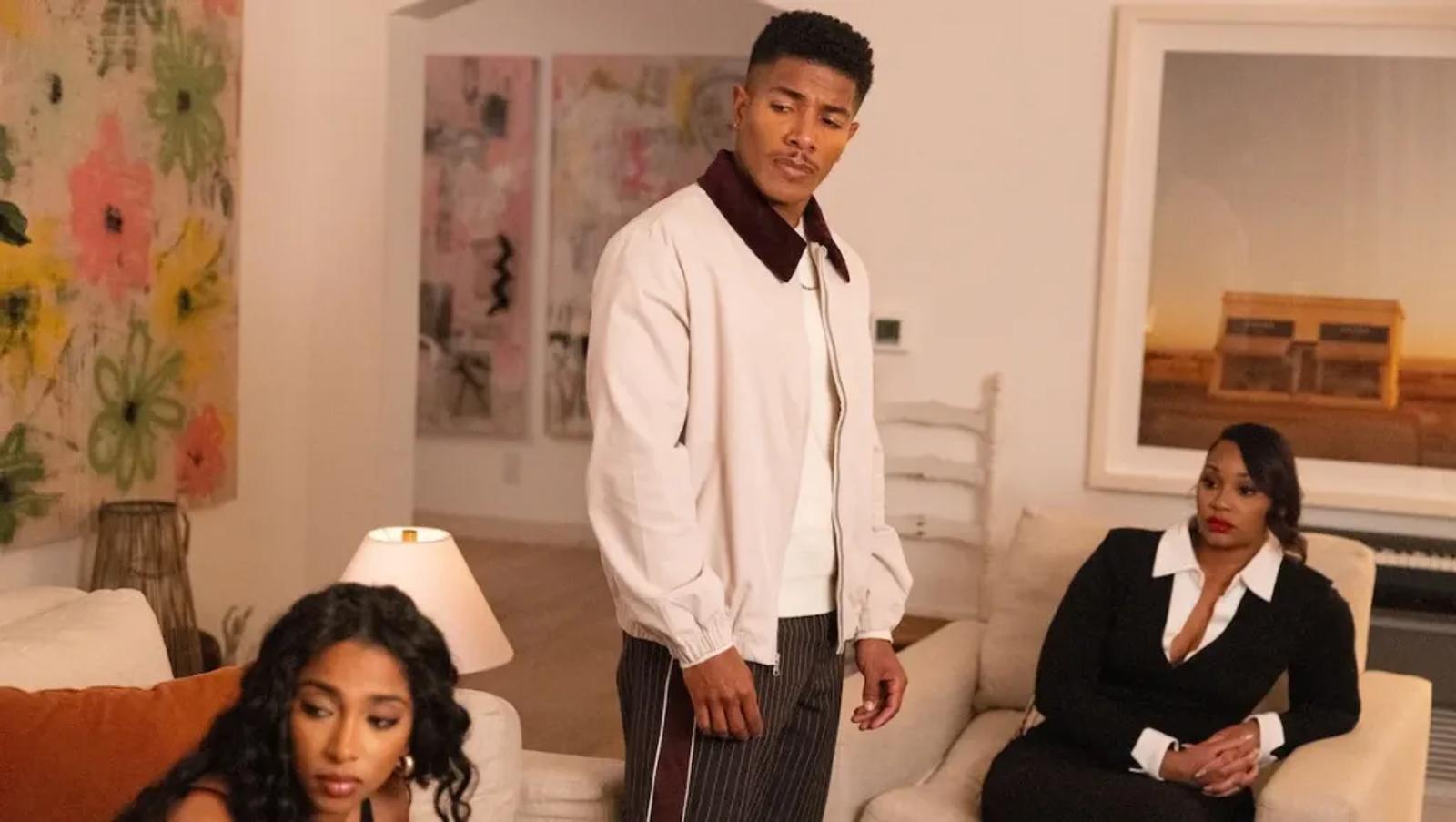
The real lesson from Screen Time is not about the format. It is about how Issa Rae treats every dismissed medium as if it deserves the same craft as prestige TV.
She did this once before. In 2011 she launched The Misadventures of Awkward Black Girl on YouTube, back when web series were treated as a hobby. She made it like real television, and the show became the springboard for Insecure and the rest of her career.
Now she is doing the same thing in a format the entire industry is currently dismissing as soapy junk. The Screen Time cast includes working actors from Rap Sh!t, Queen Sugar, Shrinking, and Tell It Like a Woman, performing from a script with real conflict density and a third-act payoff. As Scott Brown of microdrama studio Second Rodeo told Variety, "Issa Rae's show is an incredible signal of where this is headed... It's a well-executed thriller."
The audience clocked it instantly. The single most-liked comment on the first episode, with over 570,000 likes, reads: "No ads, short, suspenseful, not AI… I am hooked."
That comment is the whole marketing lesson. The audience already knows what good looks like, even inside a format that is supposedly low-bar. They are not stupid. They are not impressed by vertical content. They will reward the brand or creator who treats them with respect and bail on the one who treats the medium as a cheap channel.
None of this should be a surprise. Six months ago in our 2026 predictions we wrote two things. First: "you don't need Hollywood budgets, you just need conviction and the guts to commit to a story arc instead of playing it safe with one-offs." Second: audiences would start rejecting "soulless, over-polished AI slop." Screen Time is both predictions landing in the same show.
I think most brands about to pour budgets into microdramas are going to learn this the hard way. The temptation is to look at the format and think, "The production value can be low, the per-episode budget is tiny, let us just churn out 60 episodes featuring our product." The format is not the moat. The cast is. The script is. The fact that someone cared more than everyone else in the room.
Issa Rae understands something most marketers refuse to internalize. New formats are not a license to lower your standards. They are an invitation to raise it where nobody else thinks to.
The brand that wins the microdrama wave will not be the one with the biggest production budget. It will be the one that hires a working actor, commissions a real writer, and trusts the audience to tell the difference. Everyone else is repeating the same mistake the early YouTube brand channels made fifteen years ago. We already know how that ends.
If you are sitting in a meeting about microdramas next week, do not ask "what format should we make?" Ask, "Are we willing to make something good enough that strangers will share it with their friends?"
If the answer is no, do not make one.