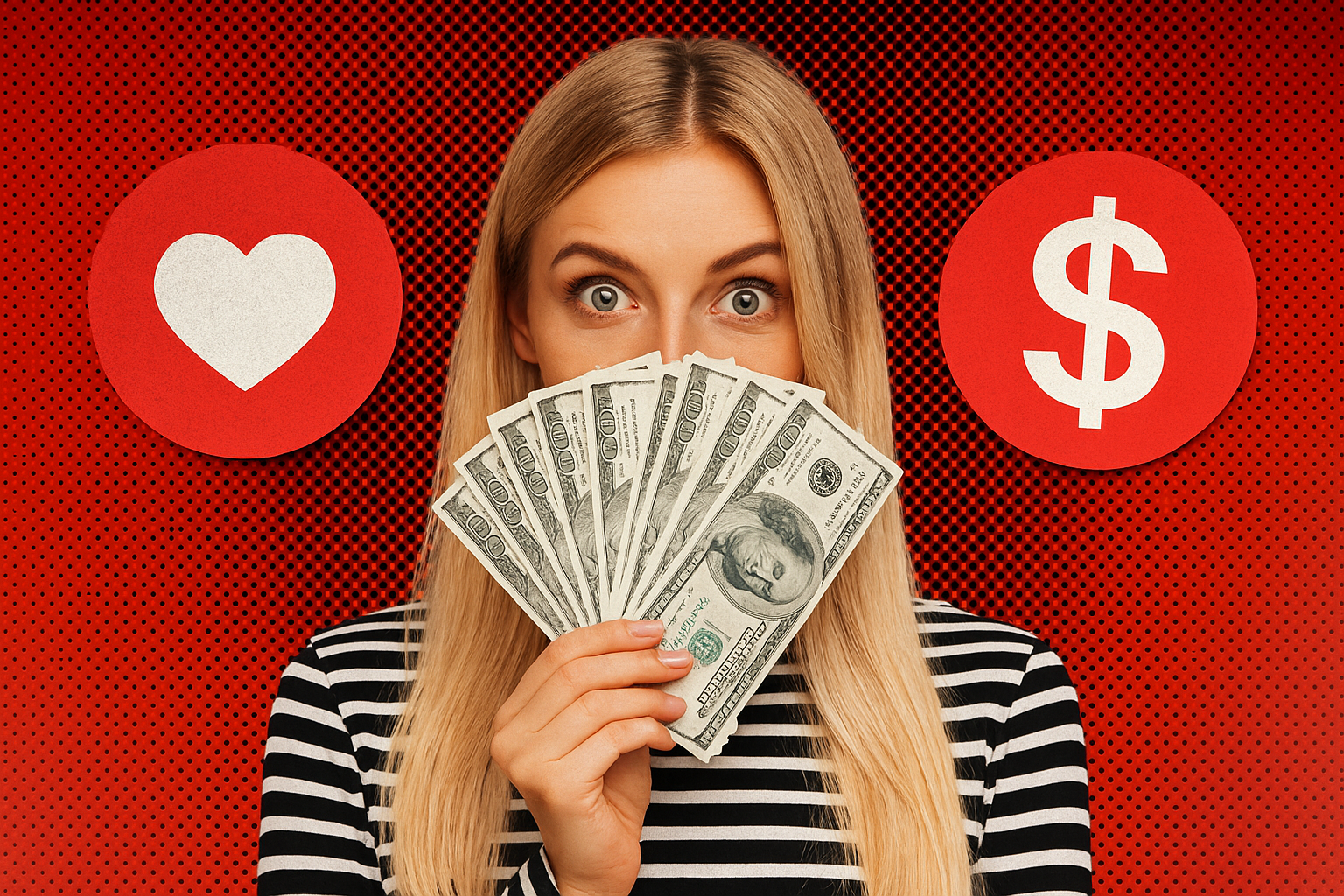
Because likes don’t pay bills — sales do.
The influencer bubble is bursting. Brands are tired of vanity metrics, fake followers, and posts that look great but don’t move product.
Enter affiliates: creators who don’t just post for clout — they sell. And in 2025, they’re rewriting the playbook for the entire creator economy.
1. From Exposure to Transactions
For the past decade, influencer marketing was all about reach. You’d pay for a “moment,” cross your fingers, and hope awareness translated into revenue. Spoiler: most of the time, it didn’t.
Affiliates flip the script. They only get paid when their audience actually buys. That means every post is tied to performance, not vibes.
No more $20K “awareness campaigns” with zero conversions.
2. Brands Love the Low Risk
Affiliate partnerships are CFO-friendly. Spend follows sales, not the other way around. For CMOs under pressure to justify every dollar, it’s an easy pitch: “We only pay if it works.”
That shift is turning affiliate marketing into a no-brainer line item instead of a gamble.
3. Micro-Creators > Mega-Celebs
Trust beats scale. A beauty YouTuber with 15K subscribers who genuinely swears by a serum will sell more than a celebrity with 5M followers who clearly got paid to hold it.
Affiliates thrive in the niches. They know their audience, they’ve built credibility, and their recommendations feel like a friend’s tip — not an ad.
4. Platforms Are Building Affiliate Rails
The big social platforms aren’t blind to this shift. TikTok Shop, Instagram Affiliate tools, YouTube shopping features — the infrastructure is already baked in.
The platforms want creators to be sellers because it keeps commerce (and transaction fees) inside their ecosystem.
5. It’s Not Just Products Anymore
Here’s the big unlock: affiliates aren’t just flogging skincare and sneakers. In 2025, they’re selling SaaS subscriptions, online courses, B2B services, and even event tickets.
Employees, experts, consultants — they’re all becoming mini-distribution channels. The affiliate model is bleeding into every category, not just DTC.
Join social media managers, marketers, creators and in-house teams sharing what works right now: practical advice, honest conversations, and direct access to some of the smartest people in social.
Join the community6. Why This Shift Was Inevitable
The influencer boom was built on glossy Instagram feeds and “aspirational” content. But consumer behaviour has changed. People are savvier, budgets are tighter, and everyone can smell a #ad from a mile away.
Audiences now expect creators to put their money where their mouth is. If you’re recommending something, you better be willing to prove it works. The affiliate model forces that accountability — creators can’t just take the cash and run; their income depends on delivering results.
7. The Creator’s POV: Predictable Income
It’s not just brands winning here. For creators, affiliate revenue can become a predictable, long-term income stream instead of one-off brand deals.
Instead of chasing short campaigns, creators can build evergreen content — reviews, tutorials, “best of” lists — that generate sales for months or years. It’s a more stable business model and one that rewards consistency over virality.
Creators are no longer at the mercy of algorithm spikes. Their catalogue of content keeps paying them, even when they’re offline.
8. The Hybrid Model: Influencer + Affiliate
This isn’t a total death sentence for influencers. Some of the savviest creators are blending both models: upfront sponsorship + affiliate commissions. Brands get reach and performance, while creators maximise their upside.
Think of it as influencer marketing 2.0 — more skin in the game for everyone involved.
9. The Challenges Ahead
Of course, affiliate isn’t perfect. Attribution is messy, platforms take hefty cuts, and shady tactics (like fake reviews) are already creeping in.
Brands need to vet partners carefully, creators need to protect their authenticity, and platforms need to keep the playing field clean. If trust erodes, the whole model risks collapsing into the same credibility crisis that hit influencer marketing.
10. What’s Next?
Expect to see affiliate economics reshape more than just creator deals. We’ll see:
- Employees as affiliates — staff promoting company products in exchange for commission.
- Communities as affiliates — Discord groups, Slack channels, even newsletters monetising through sales.
- AI-powered affiliates — automated content engines generating reviews and rankings tied to affiliate revenue.
The lines between creator, seller, and distributor are blurring. The next wave of the creator economy isn’t about hype — it’s about moving product.
The final word: The “influencer” era sold reach. The affiliate era sells results. And in 2025, results win.

.png)